The Best Chest Workout With Only Five Moves

The best chest workout with only five moves gives you a thick upper body without hours of wasted effort. You do not need ten different machines to build a bigger chest. Five solid lifts done with heavy weights and good form will do the job every single time.
This routine focuses on total chest growth by targeting your upper, middle, and lower pecs. You will hit each muscle angle hard, move heavy iron safely, and get out of the gym in less than forty-five minutes. Keep your phone in your pocket, bring a water bottle, and get ready to work.
Why Five Chest Exercises Are All You Need
Many lifters spend way too long doing endless chest variations that do not add real size. They do five types of cable flyes and exhaust their joints instead of building muscle. Your chest is a simple muscle group, and it responds best to hard pressing and controlled stretches.
When you focus on just five moves, you can pour all your energy into every single set. My lifting buddy Mark used to do eight chest exercises every Monday. His shoulders hurt, and his bench press never went up. We cut his routine down to these five lifts, and his chest grew more in two months than it did all year.
Pushing hard on a few key lifts makes it easy to track your strength gains over time. You can read more about strength training principles to see why doing fewer lifts with better focus leads to faster growth. Stick to the plan and trust the work.
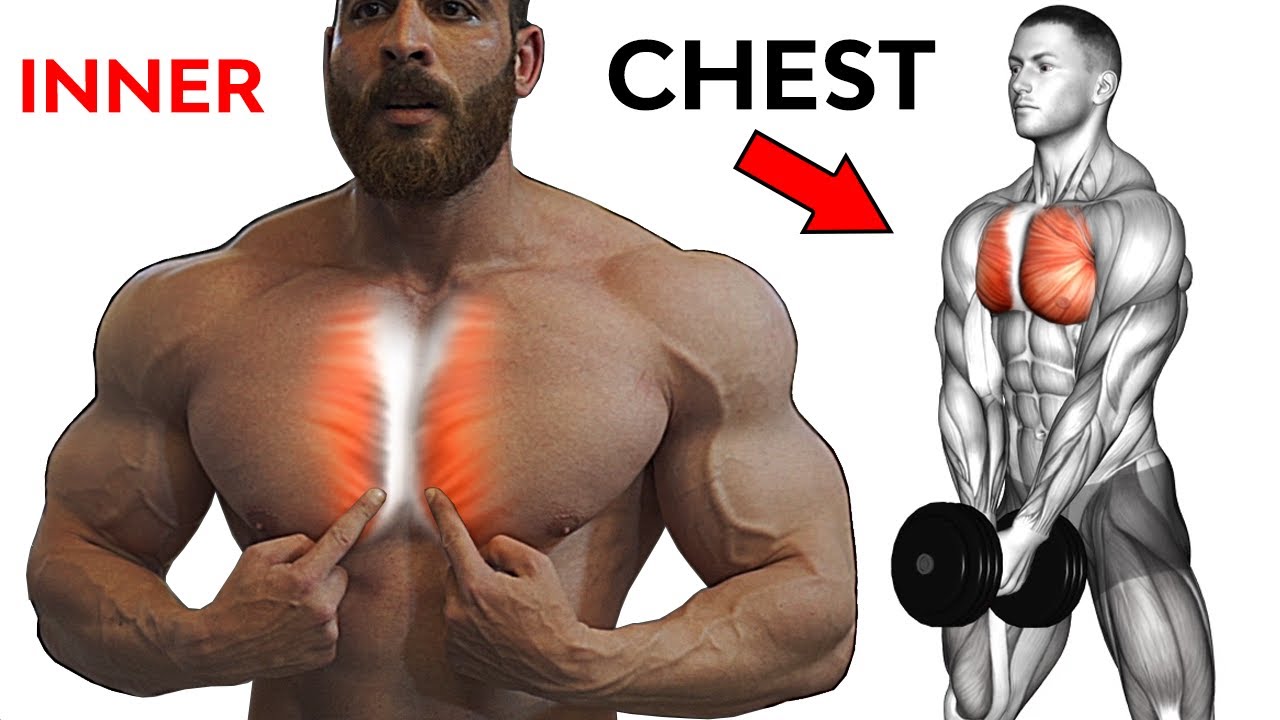
Move 1: The Incline Dumbbell Bench Press
Start your chest workout with the incline dumbbell bench press while your energy is highest. The incline angle hits your upper chest, which is the area most lifters lack. Dumbbells let your wrists move naturally, which keeps your shoulders safe and gives you a deeper stretch at the bottom.
Set an adjustable bench to a thirty-degree angle. Lie back with a dumbbell in each hand, set your feet flat on the floor, and pull your shoulder blades down and back. Drive the weights straight up over your upper chest, then lower them under control for two full seconds until you feel a deep stretch.
Perform 3 sets of 8 to 10 reps. Rest for 90 seconds between sets so your upper body recovers enough to push heavy weight again. Do not swing your hips or arch your lower back off the bench to lift the weight. Keep your glutes glued to the pad on every rep.
Move 2: The Flat Barbell Bench Press
The flat barbell bench press is the king of chest builders for a reason. It lets you move the most total weight, which creates massive tension across your entire chest. This is your main strength builder for the session.
Lie on a flat bench and grab the bar just wider than shoulder-width apart. Unrack the bar, take a deep breath, and lower it slowly to your mid-chest level. Tuck your elbows at a forty-five-degree angle instead of flaring them out wide. Touch your shirt gently with the bar, then press it back up fast while driving your feet into the ground.
Do 4 sets of 6 to 8 reps. Take a full 2 minutes of rest between these heavy sets. If you do not have a spotter, set up safety bars inside a power rack. Safety comes first, so never use a loose grip where your thumbs do not wrap around the bar.
Building a great chest also requires taking care of your fuel outside the gym. Check out these Healthy Eating Habits That Make Good Nutrition Easy Every Day to power your recovery and fuel hard training sessions.
Move 3: Bodyweight Dips for Lower Pecs
Parallel bar dips hit your lower chest harder than almost any press. They build that clear, sharp line at the bottom of your chest while working your triceps at the same time. If bodyweight dips feel too easy, you can add weight using a dip belt later on.
Grab the dip bars, press yourself up, and cross your ankles behind you. Lean your torso forward about thirty degrees to shift the work from your arms straight to your chest. Lower your body down slowly until your shoulders are slightly below your elbows, then drive yourself up until your arms are straight.
Do 3 sets of 10 to 12 reps with 60 seconds of rest between sets. Never drop down fast at the bottom of a dip. Falling fast puts severe stress on your shoulder joints and can cause sharp pains. Control the down phase every single time.
Move 4: The Standing Cable Chest Flye
Heavy presses are great, but cable flyes give your muscles constant tension that free weights cannot match. At the top of a dumbbell flye, the weight rests on your joints. With cables, the weights pull against your chest through the entire arc.
Set the cable pulleys at shoulder height and grab a handle in each hand. Take one step forward to put tension on the cables, and keep a small bend in your elbows. Bring your hands together in front of your chest like you are hugging a thick tree trunk. Squeeze your pecs hard for one full second at the middle point before letting your hands travel back out slowly.
Complete 3 sets of 12 to 15 reps with 60 seconds of rest. Keep the weight light enough that your arms do not bend and straighten like a press. The bend in your elbows should stay frozen from the first rep to the last.
To learn more about how muscle growth works with different exercises, check out the main page on bodybuilding history and methods. Smart training always beats random lifting.
Move 5: Push-Ups to Burn Out
Finish your session with the classic bodyweight push-up. This final move pushes your chest to absolute limits without any danger of dropping heavy weights on your body. It drives blood directly into the muscle to jumpstart your recovery process.
Get into a solid plank position with your hands slightly wider than shoulder-width. Keep your head up, your abs tight, and your body in one straight line from your head to your heels. Lower your chest until it sits one inch off the floor, then push up hard until your arms lock out.
Perform 2 sets until you cannot do another rep with good form. Rest 60 seconds between these final two sets. If your hips sag toward the floor, your set is over. Quality reps beat ugly reps every time.
How to Warm Up for Heavy Chest Training
Do not walk into the gym and head straight for a heavy bench press bar. Cold shoulders lead to tears, pinches, and missed workout weeks. Spend five minutes warming up your shoulders, back, and elbows before touching a heavy weight.
Start with arm circles and band pull-aparts to get blood flowing to your upper back and chest. Next, do two light warm-up sets of your first exercise. If your working set is sixty pounds on the incline dumbbells, start with twenty pounds for ten reps, then forty pounds for five reps. These warm-ups do not count toward your real work sets, but they prepare your nervous system for heavy work.
You can discover more training ideas on our gym guide for build muscle section to keep your whole body growing safely. Take your warm-ups seriously and your shoulders will stay healthy for years.
What Is the Best Chest Workout Frequency?
You do not need to train your chest three times a week to get good results. Training your chest once every four to five days gives your body enough time to repair damaged muscle fibers and build them back thicker. Most lifters do best by running this exact workout once or twice per week as part of their upper body rotation.
If you hit these five moves hard on Monday, your chest will be sore on Tuesday and Wednesday. Give yourself rest days or focus on your back and legs before you press heavy again. Muscles grow while you rest and eat, not while you are inside the gym building stress.
Keep a small notebook or a notes app open on your phone to track your progress. Write down the weights you lifted, the reps you got, and how the sets felt. Next week, try to add one rep to a set or add two pounds to the bar. Small wins add up to big changes over six months of work.
Give this five-move chest routine a try on your next workout day. Focus on pulling your shoulder blades back, controlling the weights on the way down, and pushing hard on every set. Which of these five exercises is your favorite to lift heavy on?