NASA Explores New Lunar Surface Technology for Space
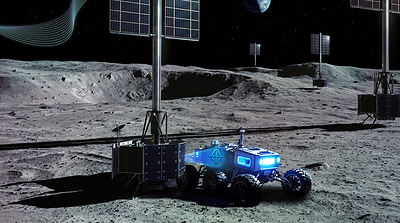
NASA is developing new Lunar Surface Technology to help astronauts explore the Moon. This work is part of a plan to stay on the Moon longer and build lasting bases. These tools will help humans live and work in the harsh space environment.
What is Lunar Surface Technology?
This tech includes everything needed to survive on the Moon. It covers power systems to keep lights on and heaters running during the cold lunar night. It also includes tools for digging in the dirt and building structures from lunar dust. Without this gear, staying on the Moon for more than a few days would be impossible.
NASA focuses on several key areas for these missions:
- Power generation that works without constant sunlight.
- Robots that can move over rocky and dusty ground.
- Communication tools to talk to teams back on Earth.
- Ways to find and use water ice hidden in deep craters.
How does NASA technology help astronauts on the Moon?
The Moon is a very difficult place for people to visit. It has no air to breathe and the temperature changes from very hot to very cold. NASA tools help by creating a safe space for people to live inside. These systems manage oxygen and keep the air at the right temperature so people stay healthy while they work.
Special vehicles are another part of this tech. Astronauts need to travel long distances to find interesting rocks and study the surface. These rovers must be tough enough to handle sharp dust and steep hills. New designs from NASA make these trips safer and faster than they were during the old Apollo missions.
Why do we need technology for the lunar surface?
We need this tech because the Moon is the first step to reaching other planets like Mars. Testing tools on the Moon allows scientists to see what works and what breaks. If a tool works on the lunar surface, it might work on Mars too. This helps engineers fix problems while the astronauts are still close enough to get help from Earth.
Building a home on the Moon also requires new ways to make materials. Bringing heavy bricks and metal from Earth is too expensive. Scientists are looking for ways to use the dust already on the Moon to make 3D printed buildings. This technology could lead to the first permanent human city away from our home planet.
What will happen next with NASA lunar tech?
NASA will continue to test these systems with robots before humans arrive. Small landers will carry tools to the surface to check the soil and the light. This data helps the team at NASA make better choices for the big missions coming soon. Every test brings us one step closer to seeing people walk on the Moon again.
Public interest in space is growing as these projects move forward. Private companies are also working with NASA to build parts of these new systems. In the next few years, we will see more launches and more tests in the sky. It is an exciting time for anyone who looks up at the stars and wonders about the future.