How to Mix Wood Tones in One Room Like a Pro
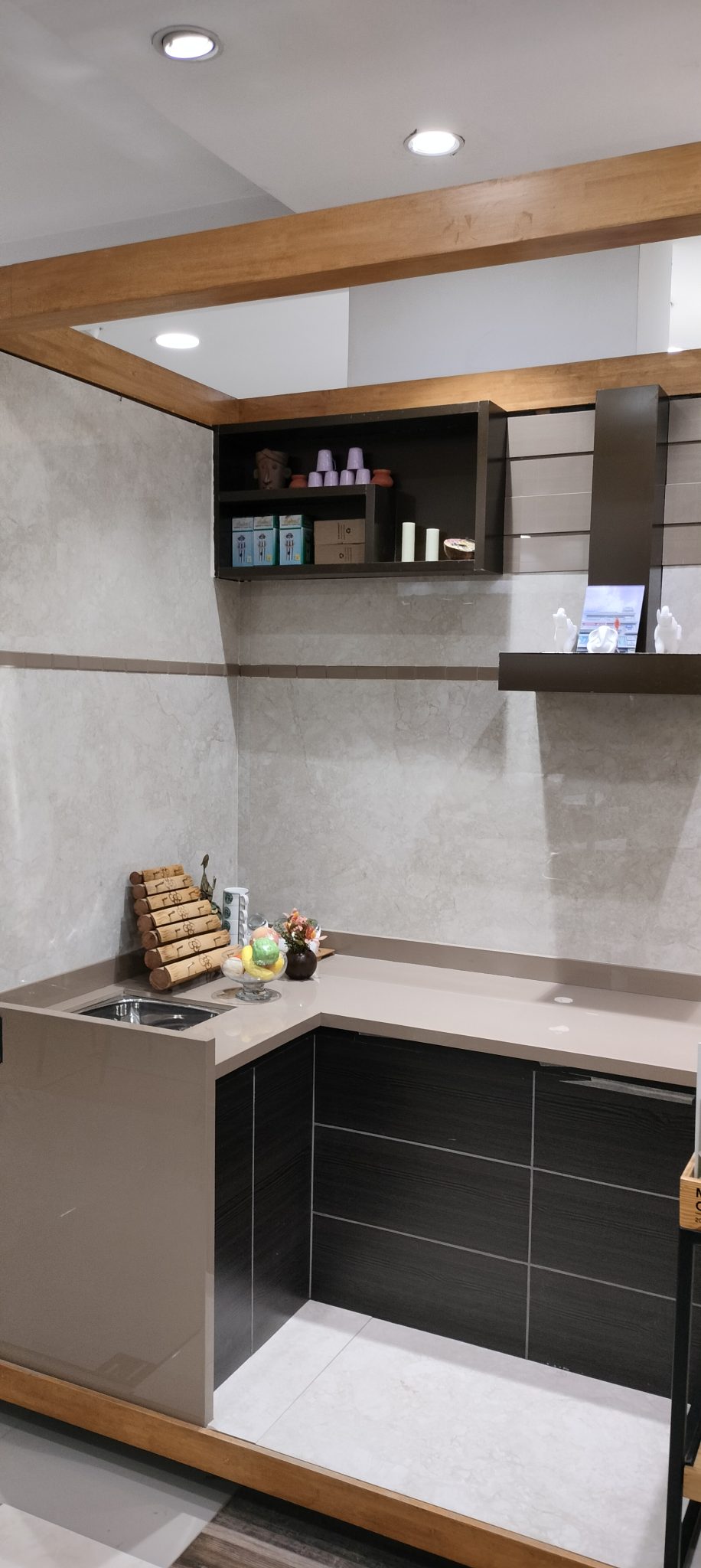
You can mix different wood tones in one room by picking one dominant wood shade, matching the undertones, and repeating each finish at least twice. This creates a cozy, layered look instead of a messy one. Follow these exact steps to balance your furniture and floor finishes with confidence.
How to Mix Wood Tones in One Room
Start by choosing the main wood tone for your space, which covers about sixty percent of the wood surfaces. This is usually your hardwood floor, a large dining table, or a full wall of cabinets. In a standard living room, your floor is almost always this main anchor piece. If you have pale natural oak floors, that light tan shade becomes your base tone. Every other wood piece you bring into the space will be measured against this main choice.
Once your main wood is set, pick one or two accent woods to fill the rest of the space. Never use more than three different wood finishes in a single room, or the space will look chaotic. For example, pair a light oak floor with a deep walnut coffee table and mid-tone teak shelf units. Using different stain levels creates pleasant contrast while keeping the space grounded and intentional.

Match Warm and Cool Undertones
Wood stains have hidden undertones that fall into warm, cool, or neutral categories. Warm woods have orange, red, or yellow hints, like honey pine, cherry, and red oak. Cool woods have gray or muted ash tones, like drifted pine or gray-washed walnut. Neutral woods look soft and beige, like natural white oak. Keep all your wood choices in the same undertone family so they do not clash.
Checking your undertones takes less than five minutes when you compare pieces under natural daylight. Look at your furniture near a sunny window around noon to see the true color.
- Warm group: Honey oak, cherry wood, mahogany, warm maple, orange pine.
- Cool group: Charcoal stained ash, gray washed pine, muted driftwoods.
- Neutral group: Raw white oak, light natural birch, walnut with gray undertones.
Balance Grain Sizes and Contrast
Grain patterns matter just as much as color when you mix furniture. Large, visible grains like oak, ash, and pine look casual and rustic. Fine, smooth grains like maple, walnut, and cherry look polished and formal. Mix a bold, large grain piece with a smooth, fine grain piece to give your eye a rest. This prevents your room from looking like a single block of heavy pattern.
Spread the wood pieces evenly across the floor plan so one side of the room does not feel heavier than the other. If you place a dark walnut sideboard on the left side of your living room, balance it with a dark wood side table or picture frames on the right side. Never cluster all your dark wood items together in one corner while leaving light wood items on the other side.
Use Soft Rugs and Fabrics to Bridge the Gap
When dark wood furniture sits directly on a dark wood floor, the pieces bleed together and lose their shape. Create visual space by placing a large textile between different wood tones. A thick cream wool rug under a dark walnut coffee table separates it from light oak floorboards. This buffer zone lets each wood color shine without fighting for attention.
You can also use painted elements to break up heavy wood tones across the room. White baseboards, black metal light fixtures, and colorful soft cushions reduce the total amount of exposed grain. Applying basic rules of interior design keeps the focus on comfort rather than matching furniture sets.
Repeat Each Wood Tone Twice
An isolated wood item looks like an accident, but a repeated wood item looks like a deliberate choice. If you add a dark walnut coffee table to a room filled with maple, add one more small walnut piece elsewhere. This could be a set of walnut floating shelves, walnut candle holders, or walnut mirror frames on the wall. Repeating the finish ties the whole room together instantly.
Here is a quick checklist to follow before you buy new wooden decor pieces for your space:
- Count your finishes: Stick to two or three wood tones maximum per room.
- Check the undertone: Confirm all wood pieces share warm, cool, or neutral base shades.
- Add a buffer: Place a light rug between dark wood furniture and dark floors.
- Repeat the shade: Ensure every accent wood finish appears in at least two separate spots.